
Researchers at McGill University found that a single tea bag releases around 11.6 billion microplastic particles, and 3.1 billion even smaller nanoplastic particles.

Rob Picheta writing for CNN:
The team removed the tea from inside the bags to prevent it from interfering with the results, before boiling the bags in water to simulate the tea-making process. Scientists have found microplastics in various foods, but less research has been done into whether they can be shed into water during the brewing of tea and other hot drinks. Many tea producers use polypropylene to seal their bags.
Rob Picheta writing for CNN:
The team removed the tea from inside the bags to prevent it from interfering with the results, before boiling the bags in water to simulate the tea-making process. Scientists have found microplastics in various foods, but less research has been done into whether they can be shed into water during the brewing of tea and other hot drinks. Many tea producers use polypropylene to seal their bags.

Tim Murtaugh founded Smart Plastic Technologies on the belief that plastic did not have to become permanent pollution. He gave that belief a company, a science, and a team willing to fight for it.
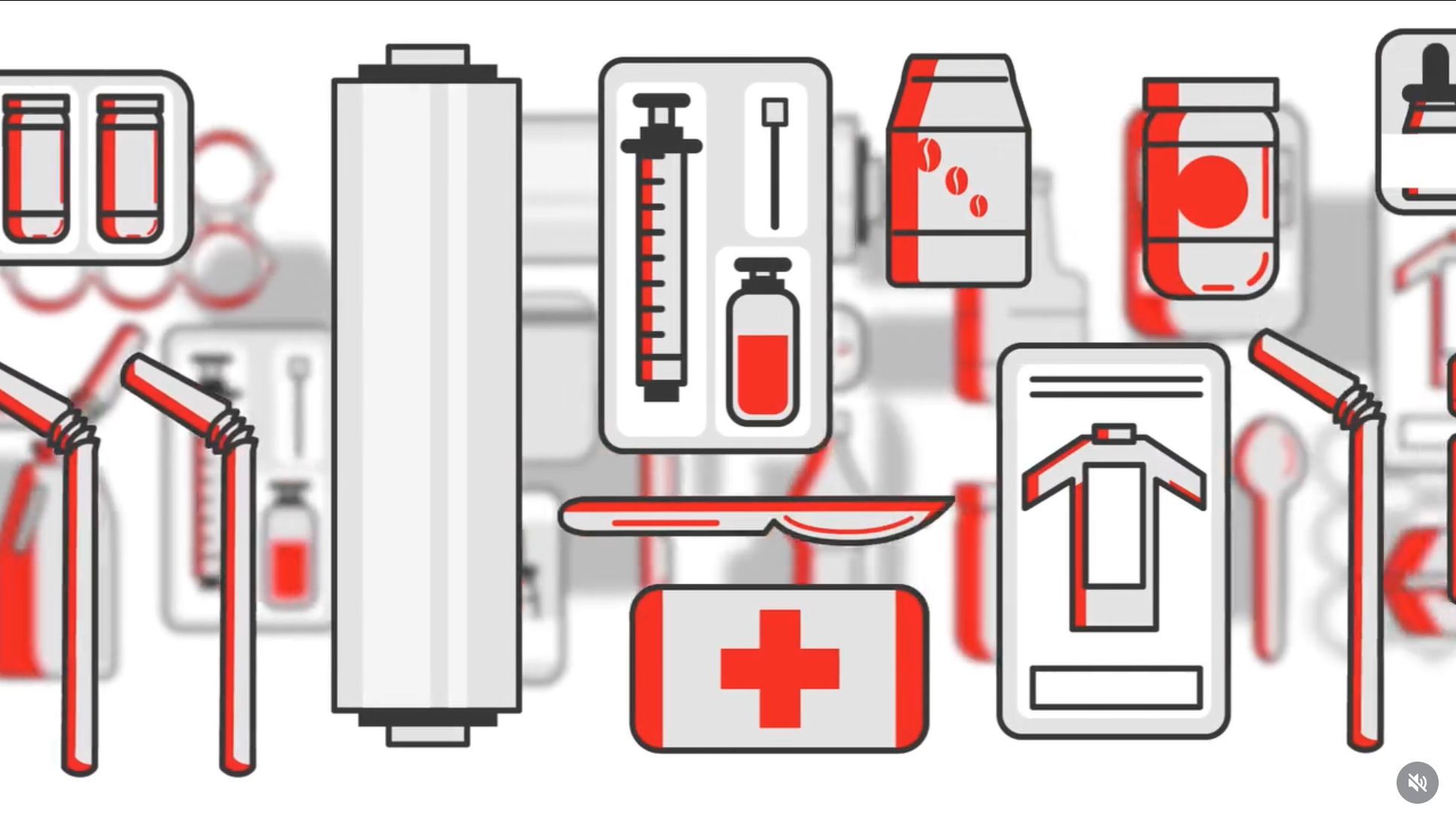
For over 70 years, plastic hasn't evolved. Now, with SPTek ECLIPSE™, Smart Plastic Technologies has introduced a 1% drop-in additive for polyolefins that preserves performance and processing, stays compatible with recycling pre-activation, and adds an end-of-life safety net.


